Designing for the 11pm questions:
what happened, and how do I know?
Financial Operations Workbench at Zuora
0→1
SYSTEMS DESIGN
MULTI-PERSONA
AGENT
TRUST
PERSONALIZATION
Summary
DESCRIPTION
An operations workbench (and the trust infrastructure that earned its adoption) for the people who run subscription businesses at scale.
PROBLEM
Five tools for one job. The work was scattered, and the proof of it was nearly impossible to reconstruct.
MY ROLE
0→1 design strategy lead. End-to-end UX/UI across operator workflow, audit surface, and platform integration.
CLIENTS
Anthropic, Microsoft, the New York Times, Zoom, and others.
OUTCOME
A common reconciliation workflow: 2 hours → 8 minutes.
70% of design-partner users more willing to consolidate into the workbench.
85% of that group open to agentic AI when reasoning was inspectable.
PROJECT LENGTH
16 months. Weekly testing cycles. Built for high-assurance review.
Setup
PROBLEM
The proof of the work had no home.


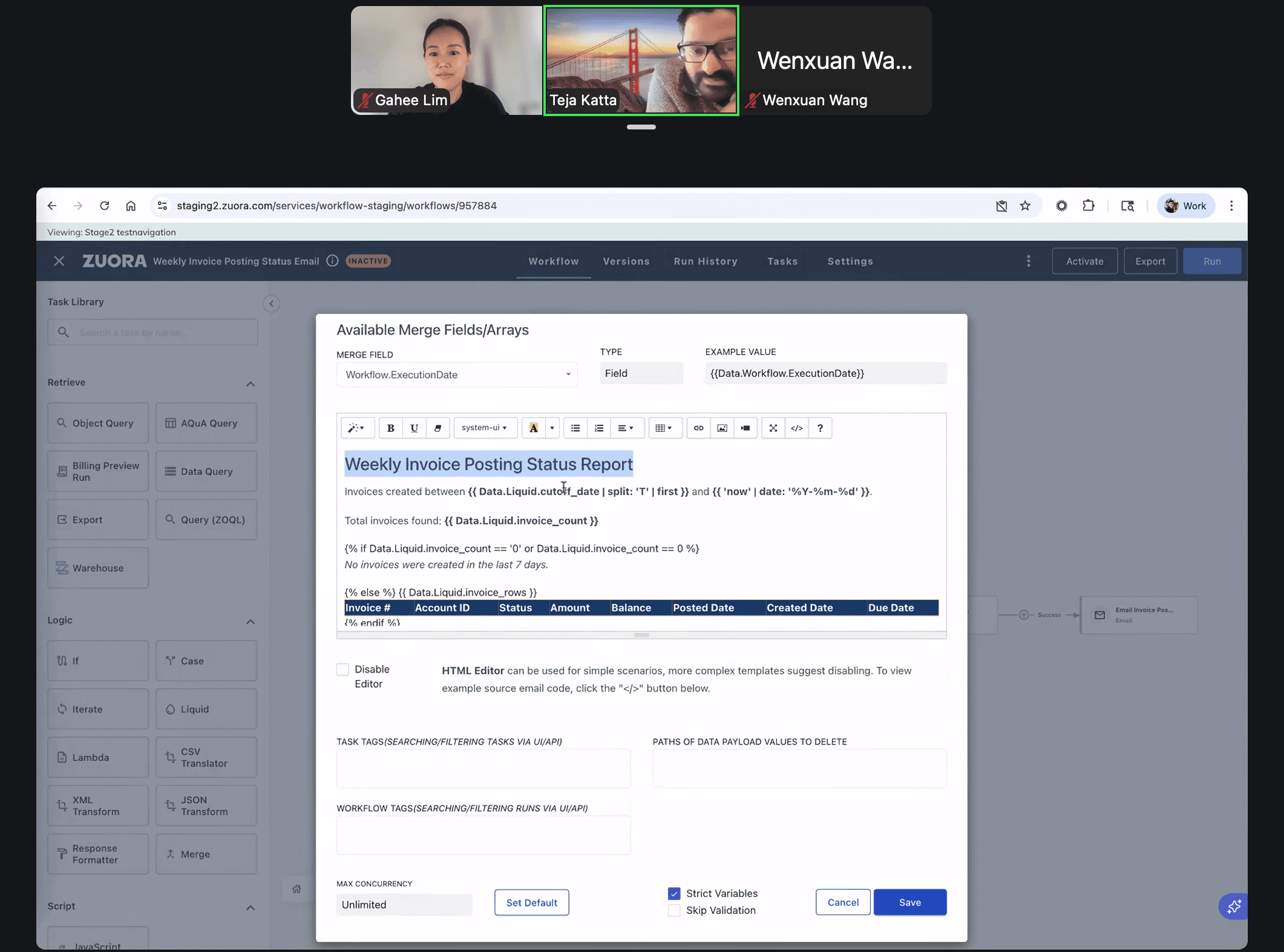
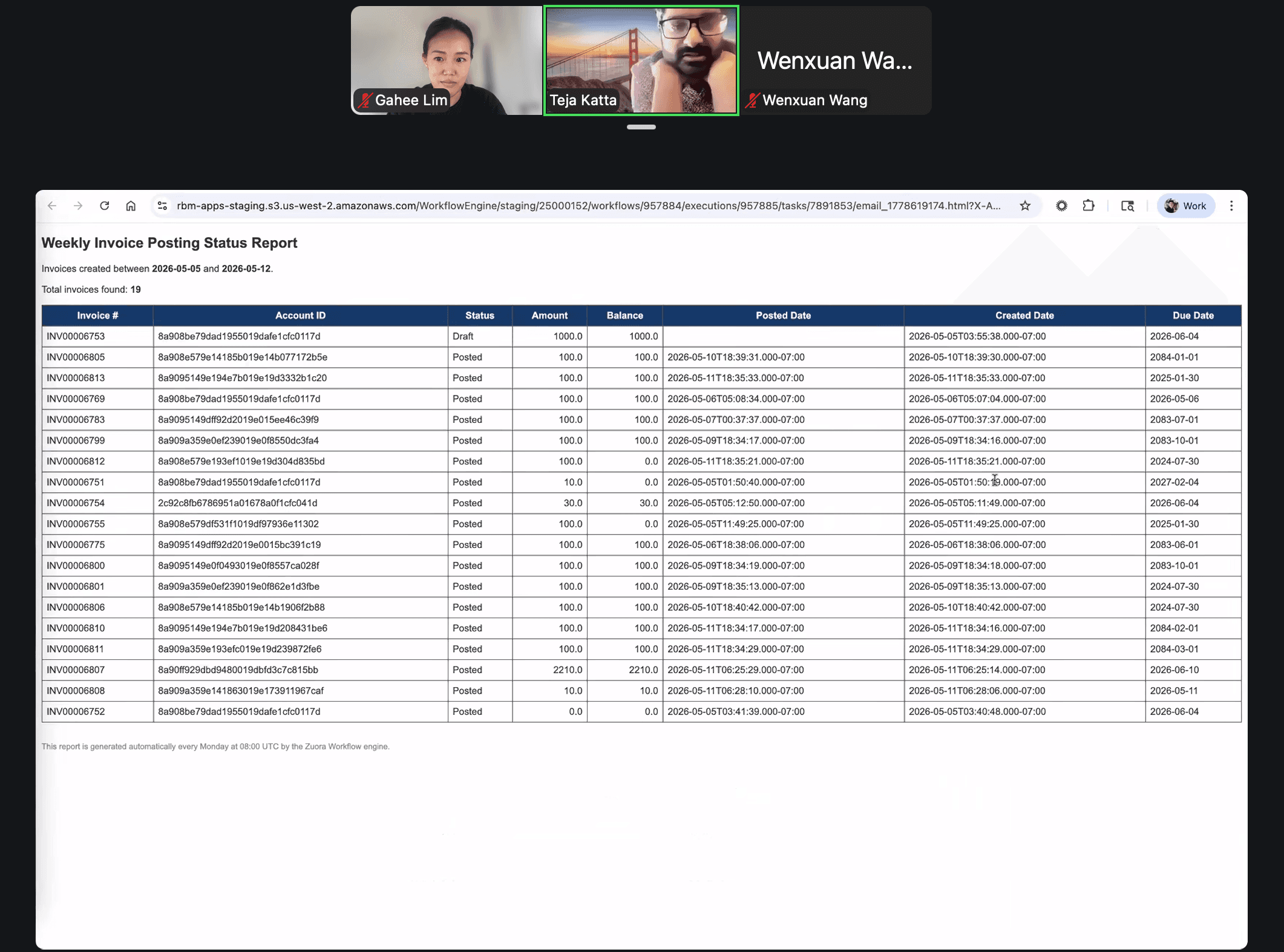
Lucidchart for process maps, Excel for reconciliation, Gmail for approvals, Jira for tasks, Slack for everything in between, BlackLine for audit. When work scatters this way, the proof of what happened lives everywhere and nowhere. Someone pays for that later, the analyst reconstructing a week of decisions before morning.
A previous team built a wizard for this. Operations work runs in cycles, not lines. I rewrote the brief: become the single place where the workflow and the evidence live.
USERS
Six roles, three jobs: doing the work, defending it, and steering it.

Operators running cyclical work. Accountants and ops managers, Phase 1. Monday morning, "where do I start?" lived in five places. "I need to be able to explain what happened. To my manager, to an auditor, to myself at 11pm when something looks wrong." They didn't want speed. They wanted the answer to hold up.
Specialists reading the record. Auditors and IT, Phase 2. Auditors assess whether a process can be defended, not the daily back-and-forth; internal and external views differ by design. IT reads it for a different question: is the system healthy enough to trust.
Leadership steering by the signal. Directors and CFOs, Phase 3. Aggregate performance across teams and systems, without the operator's daily detail.
SYSTEMS DESIGN
Auto-generated workflows with an AI trust layer.
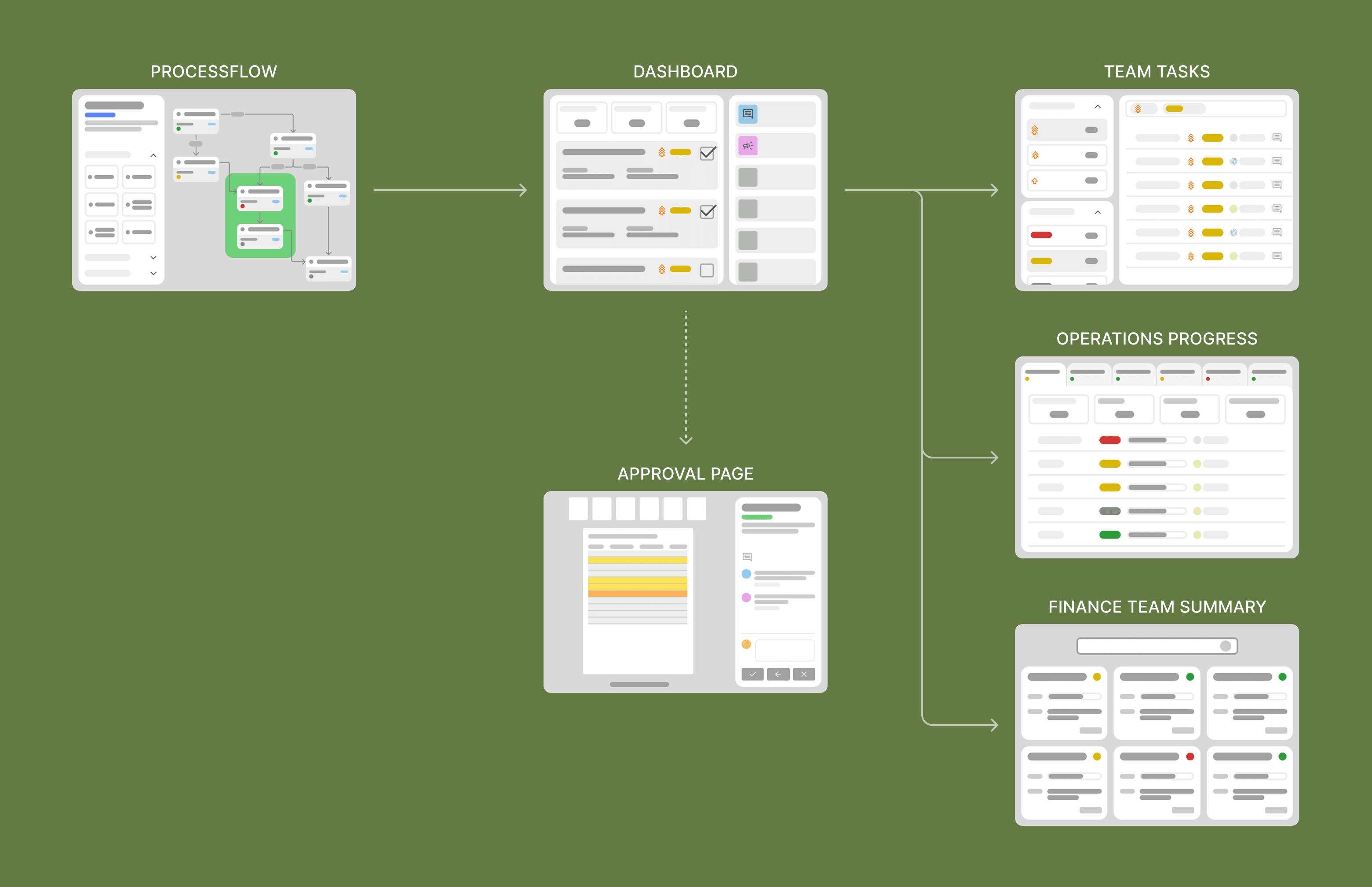
The previous wizard flow did not fit cyclical finance work or frequent exceptions. New system includes:
Process Flow A flowchart builder for users and agents to create conditional finance processes that generate tasks and documents.
My Tasks & Notifications A prioritized dashboard for tasks, team progress, and process runs—auto-generated from the flow.
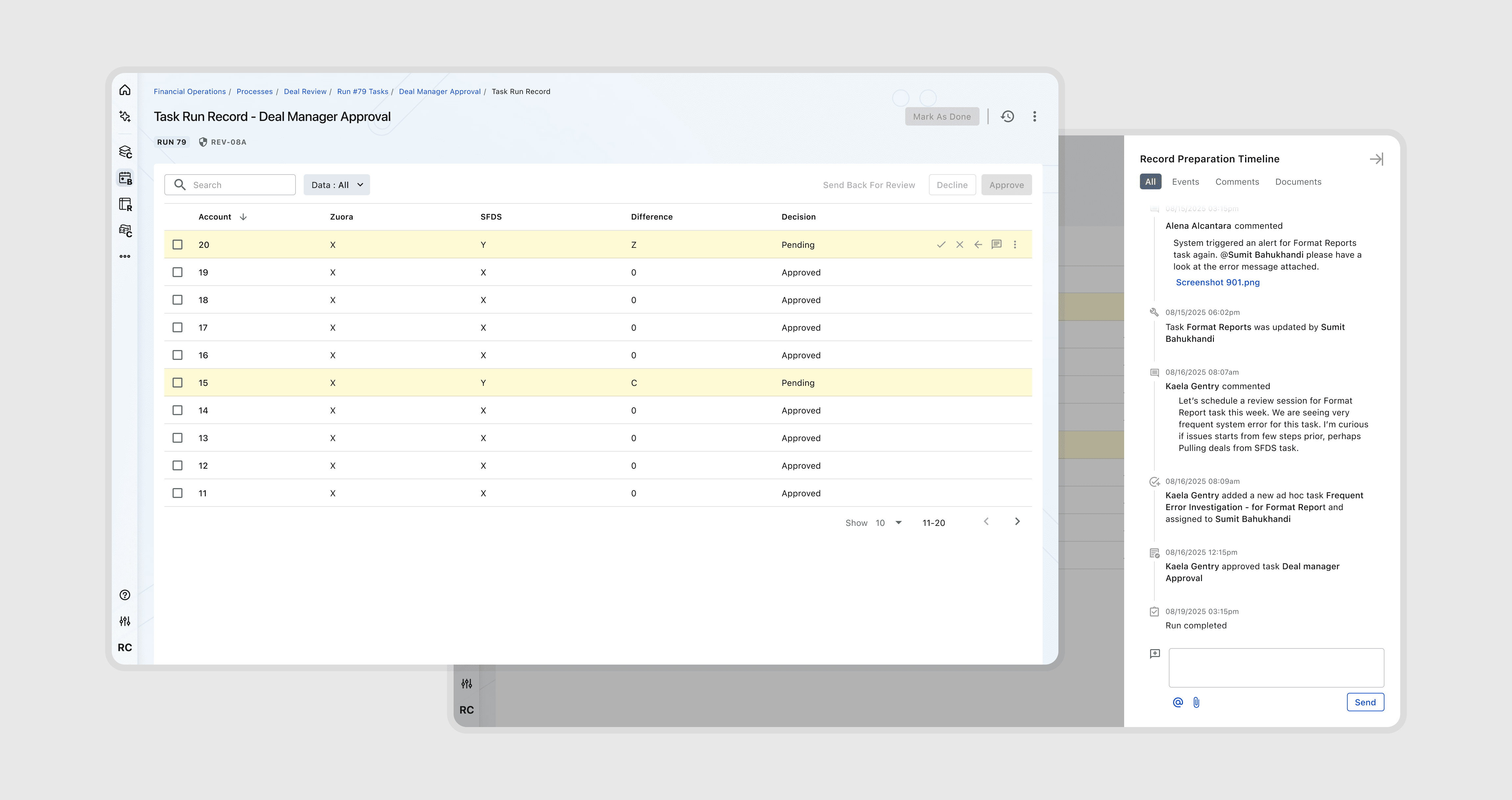
Approval page A reconciliation doc with receipts for reviewing sources and approving or rejecting deals.
Operations processes + Finance summary A governance view for directors and senior leaders.
STRATEGIC DECISIONS
The decision behind why trust before AI agents.

Agentic AI was already where the team was heading. User interviews kept surfacing the same thing: operators in high-stakes work won't adopt a system they can't inspect or explain. The order of operations needed to flip. Trust infrastructure first, then AI on a foundation people already trust. Same destination, different path in.
In high-stakes work, a system earns trust by being inspectable, not by being smart.
That sequencing became the strategic argument the executive layer needed.
We negotiated for a parallel track. An LLM and agent development track was happening alongside while we are building the trust infrastructure. So when the agent layer was ready, it could land on a foundation user already trusted. We were testing the merge here.
Features
Process Flow
A shared map of how work moves
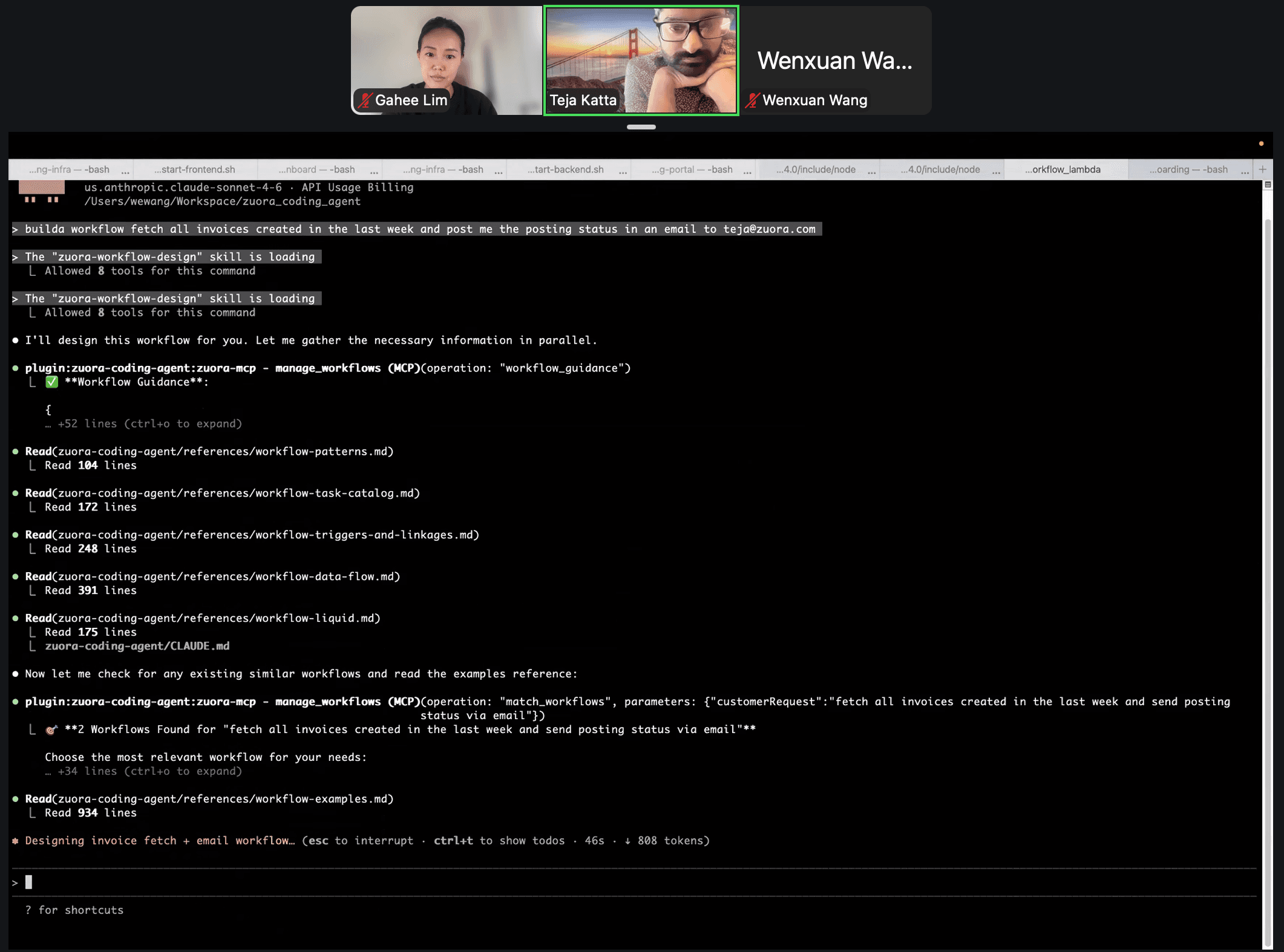
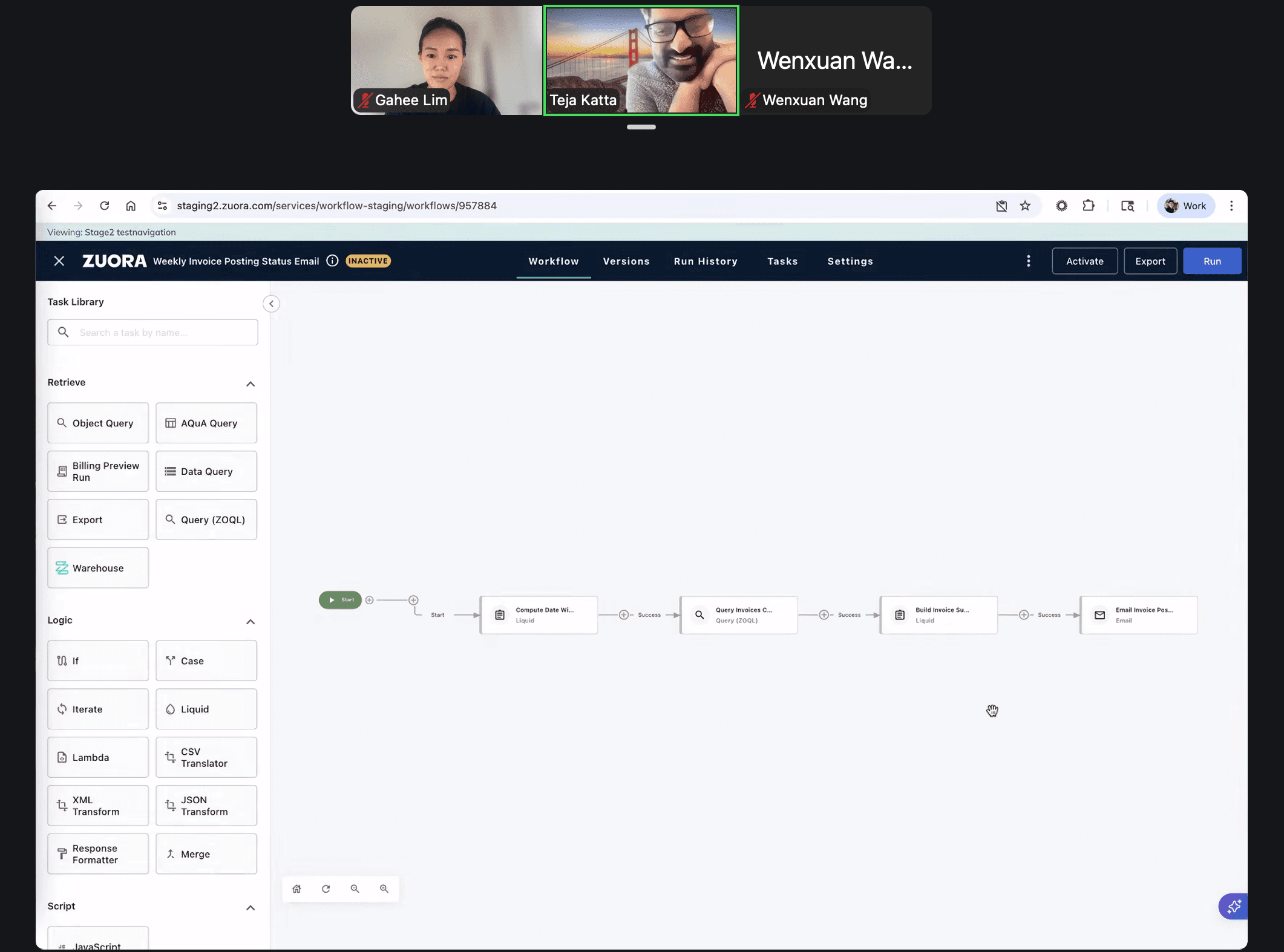
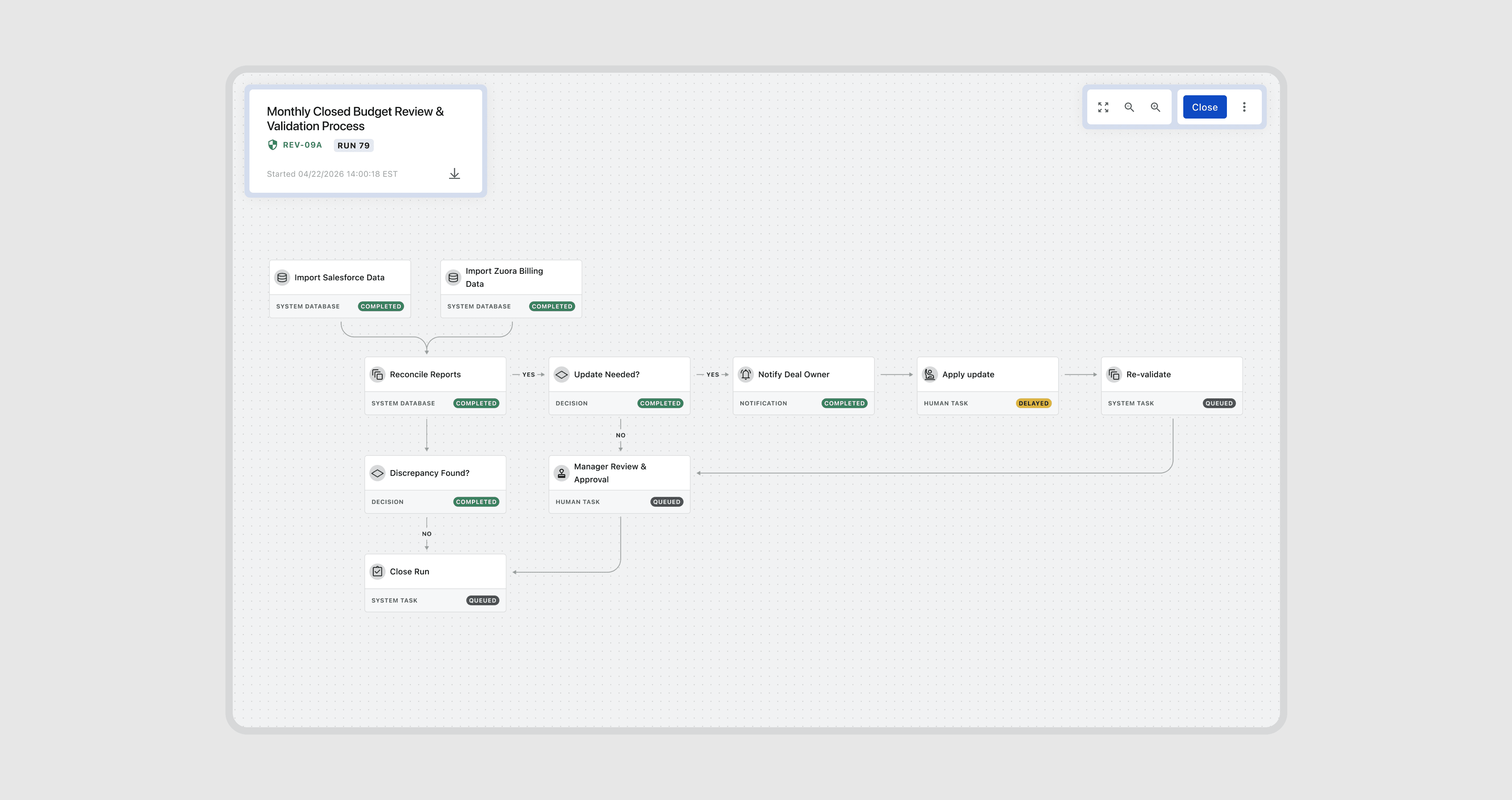
The vocabulary we built into the system: a task is one step, a process is a group of tasks, a run is one execution from start to finish.
Finance work isn't fully automated and isn't fully manual. The system handles the cyclical scaffolding (data pulls, routing, status changes); people step in at judgment moments. Both kinds of work appear in the same structure, with the human handoffs visible to everyone touching the case. The manager from the opening enters this map at one node: the approval. The system handles everything that gets her there.
Where the day starts
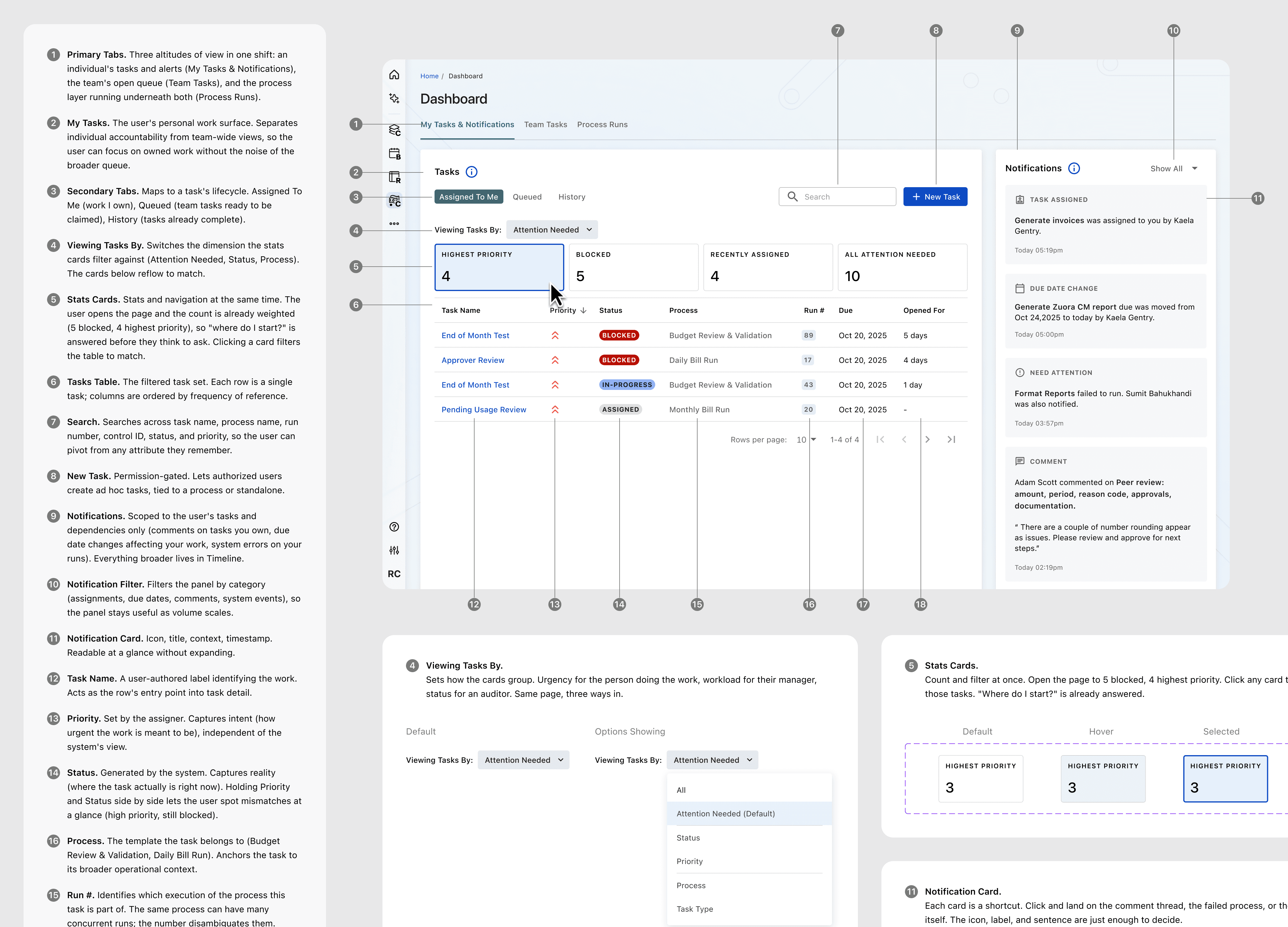
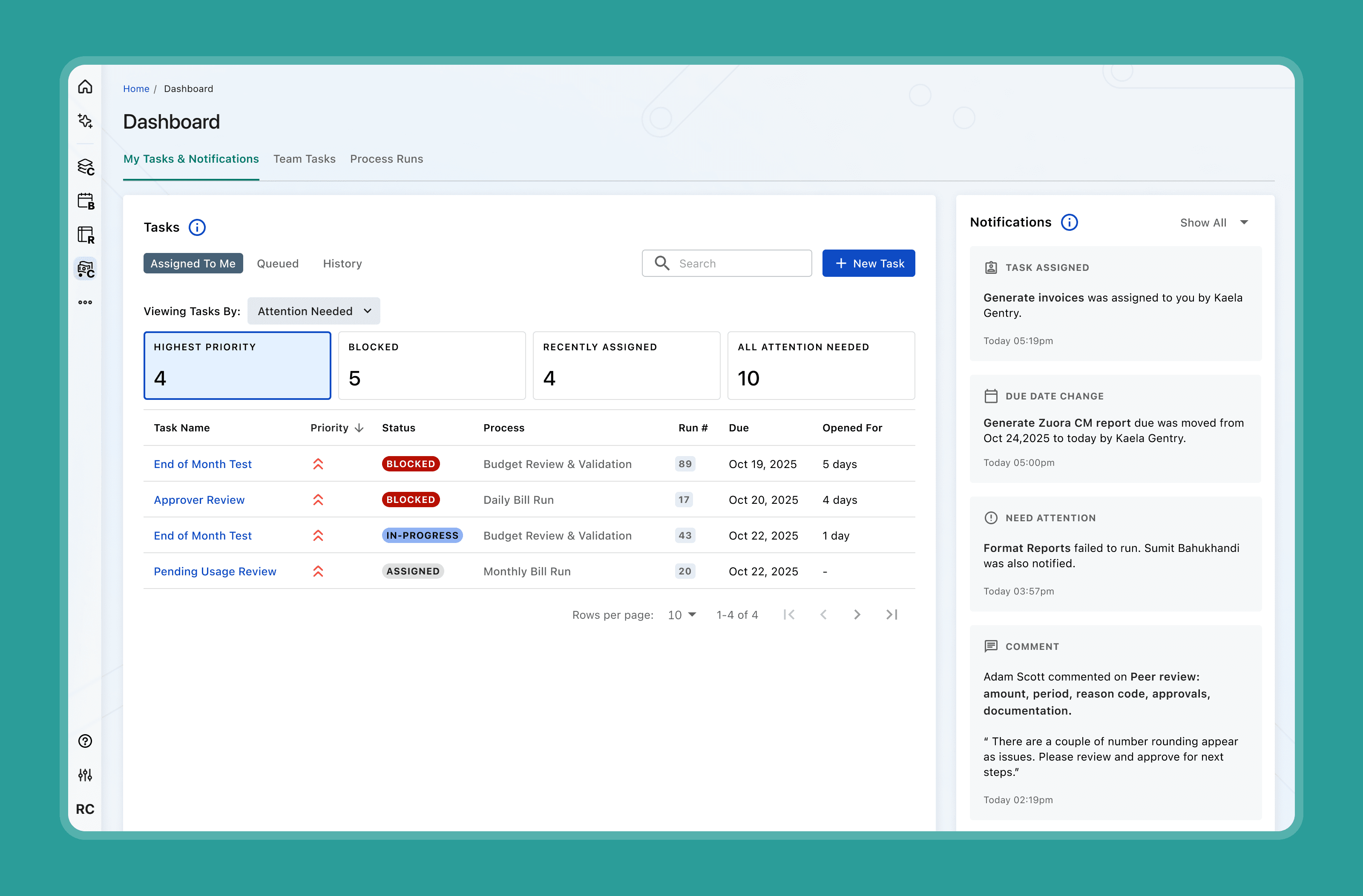
Four filter cards at the top: blocked, highest priority, recently assigned, all attention needed. Each shows a count (5 blocked, 3 highest priority) and clicks to filter the list beneath. Stats and navigation simultaneously. The cognitive cost of triaging at 8am: zero.
A notification panel on the right surfaces what changed (comments, due-date updates, system errors), scoped to her own work. Not a global feed. The filter at this layer is: does this affect what I'm trying to get done today?
Approval Page & Timeline
The trust layer in detail


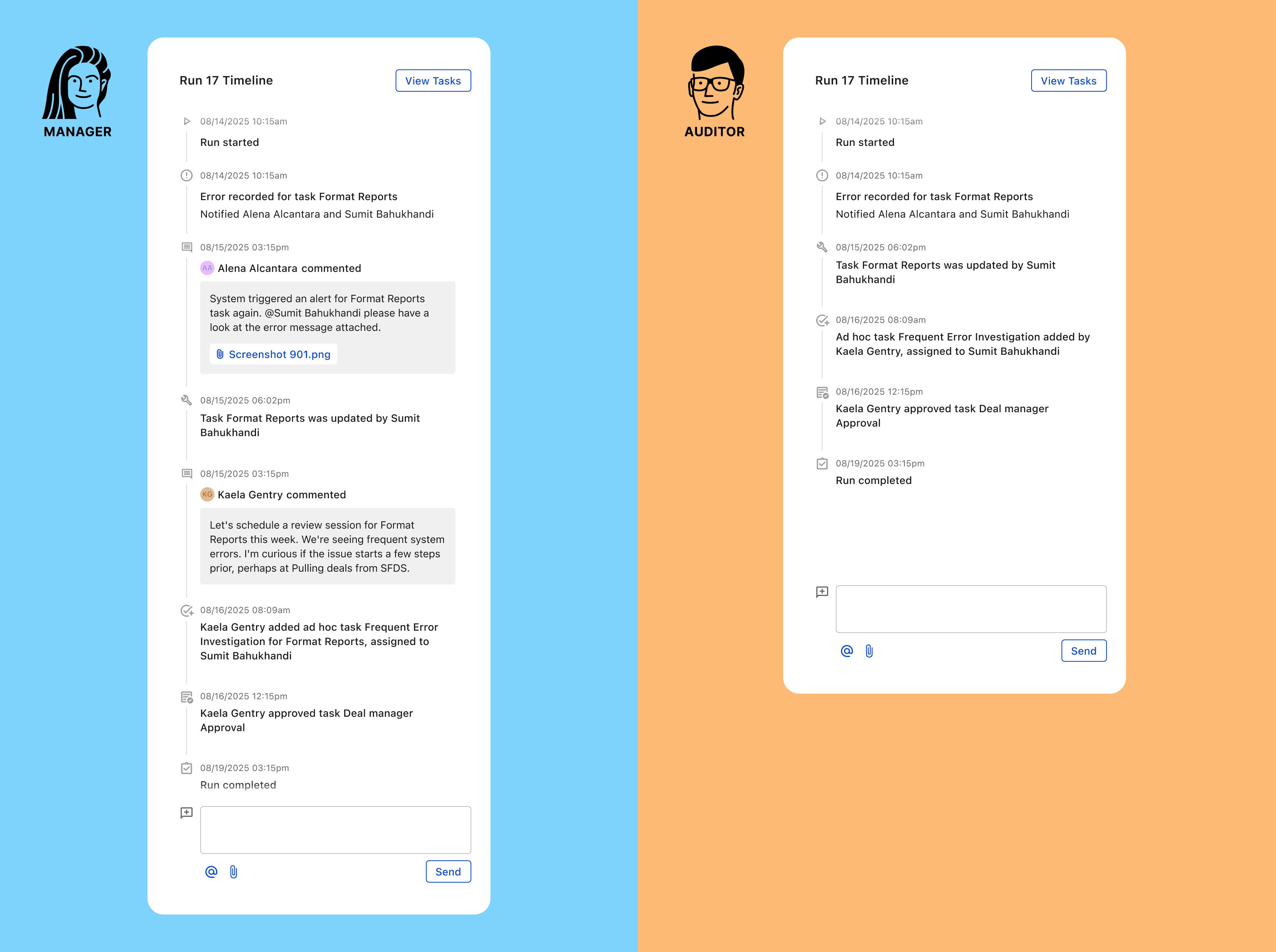
For operators, an activity log. What happened, when, who touched it. For auditors, the same data as an audit trail, generated automatically as work happens. Views are curated by access permission.
When users can see what the system did, they begin to depend on it. Once that dependence is built, AI lands on a foundation users trust.
Internal auditor sees operational depth. External auditor sees a scoped, defensible record. Granularity in compliance is a security consideration: more context widens the surface area for scrutiny without serving the audit. Designed as a data-model decision, not a permissions bolt-on. It's a privacy-by-design moment.
Drawers
Connective tissue
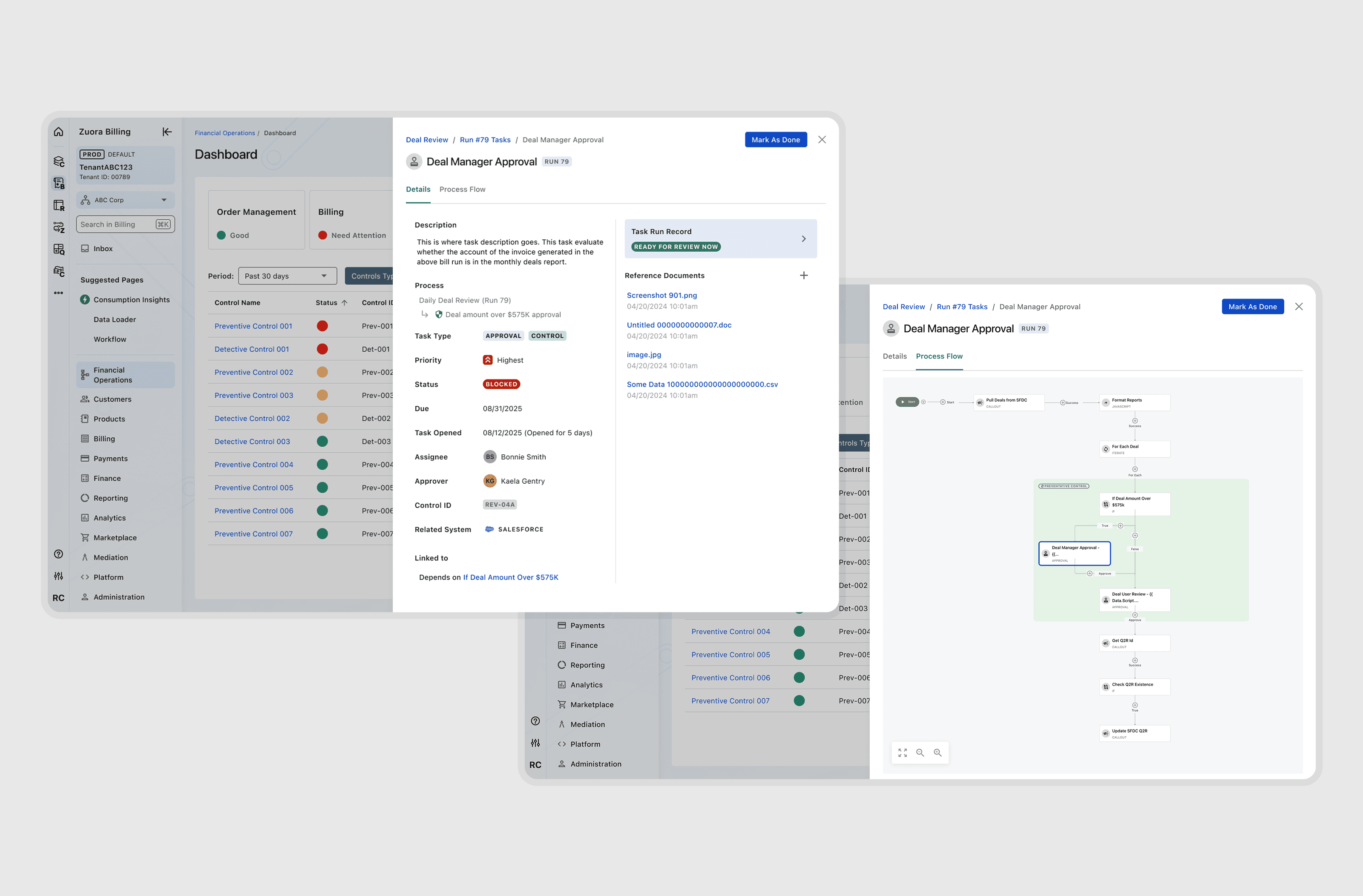
One interaction model for depth. Click any task, process, or control and a drawer opens, without leaving the page.
Outcome
Financial Operations Workbench was well received by both users and the internal design team. We proposed a new way of working more closely with our design partners (the internal finance team and a select list of clients) and an AI-first design approach.
2 hours → 8 minutes
A common reconciliation workflow with integrated automation
70%
of design-partner users said Timeline made them more willing to consolidate into the workbench
85%
of that group open to agentic AI when Timeline made the reasoning inspectable
2 Pages
Adopted as standards by other Zuora product teams
NYT, Airbnb, Lyft
Called this the most exciting item on the 2026 roadmap
Reflection
Going in, the learning curve was steep. I had to learn many finance concepts and terms, understand the role-based personas involved, and work from an ambiguous brief.
I was fortunate to collaborate with the VP of Product and Engineering on a strategy grounded in user interviews and product-positioning tests with the marketing team.
The research phase, in particular, clarified our product vision and helped us create an intuitive, efficient design and an AI-agent-friendly infrastructure.
Going forward, we will iterate on training agents on reasoning patterns, using logged data from Timeline, and continue building trust so users collaborate even more closely with agents in their day-to-day work.
We are also considering a mobile companion for notifications and review, so users can respond on mobile.